
Santa Eulalia: Exploring Palma's Historic Church
July 18, 2025

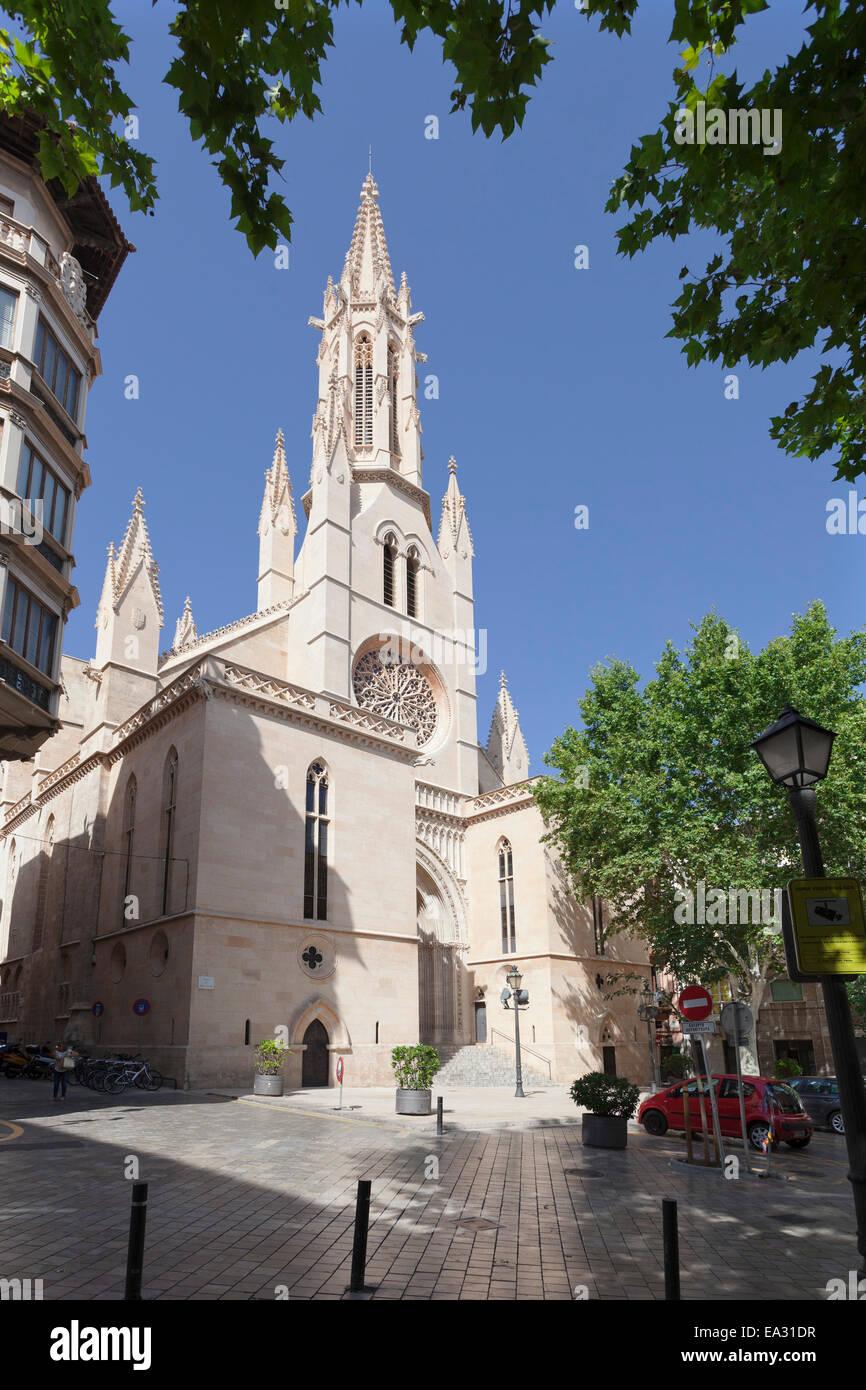
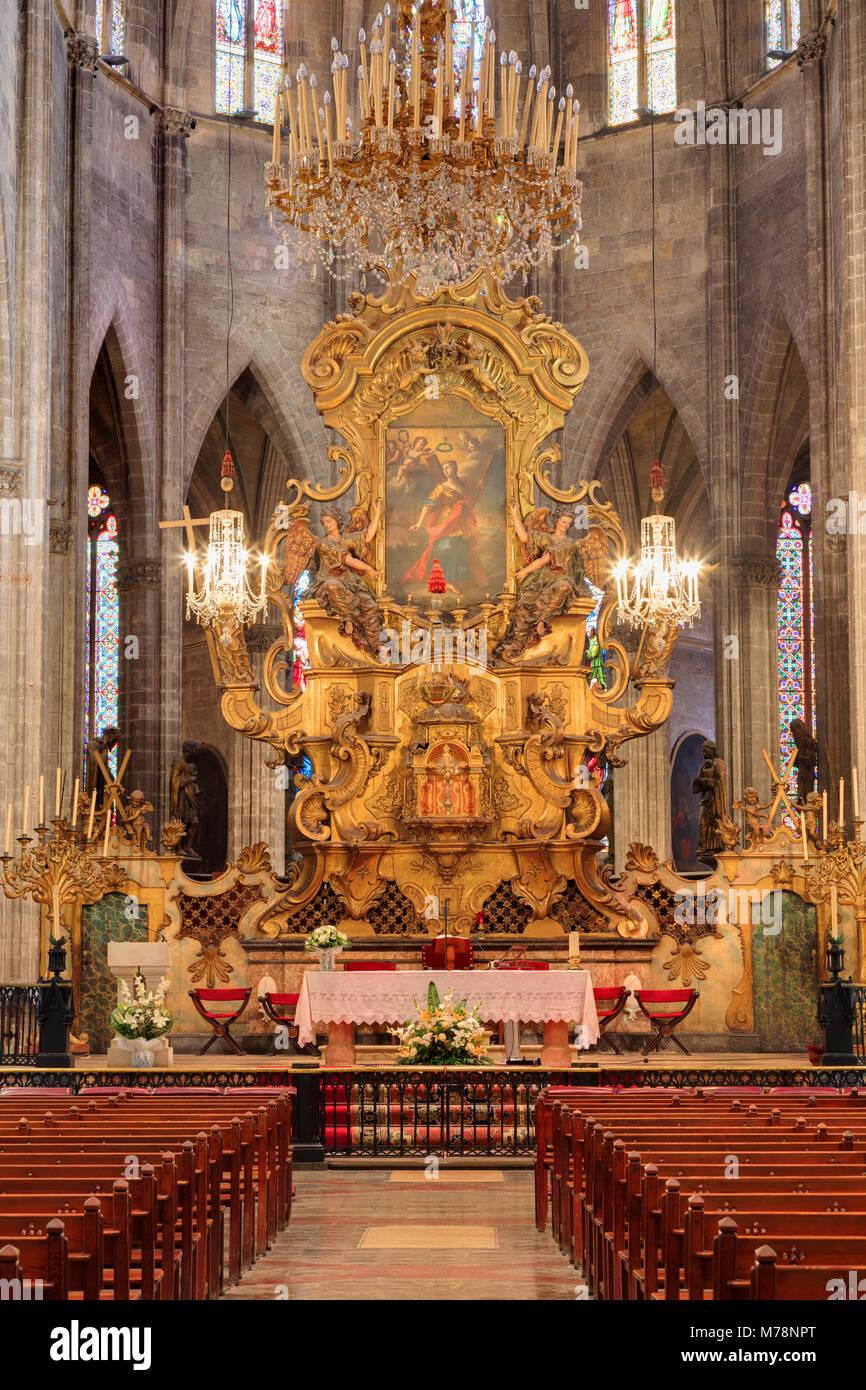
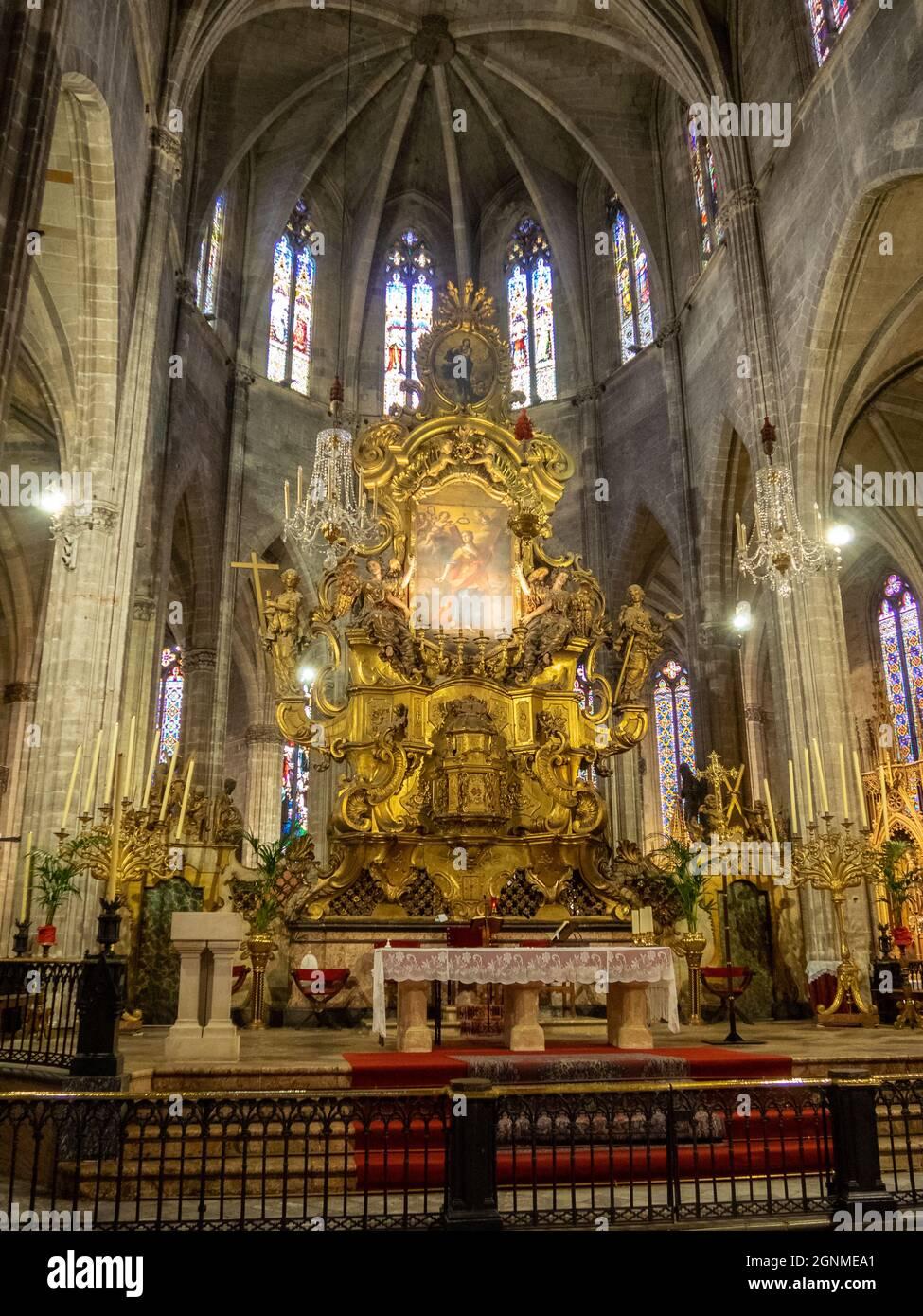
I spent about two hours exploring Santa Eulalia, walking through its stunning Gothic interior and admiring the intricate medieval artwork. The church is conveniently located near Palma's historic Plaza Mayor, making it an easy stop during a walking tour of the old town.
Hidden in the heart of Palma's old town, Santa Eulalia church holds centuries of Mallorcan stories within its stone walls. Uncover the secrets of a medieval sanctuary that survived wars, conquests, and time itself.
Need-to-Know Info Before Visiting Santa Eulalia
4+
images
Santa Eulalia Address
Carrer de Santa Eulàlia 16, 07001 Palma, Mallorca, Spain
Santa Eulalia Opening Hours
- 🕒 Monday-Saturday: 10:00 AM - 5:00 PM
- 🕒 Sunday: Closed
- 🕒 Religious services: Check local schedule
How to get to Santa Eulalia
- 🚗 By car: Parking available in nearby public lots
- 🚌 Public transport: Bus lines 1, 3, and 5 stop nearby
- 🚕 Rideshare: Uber and local taxi services accessible
What is Santa Eulalia known for?
- Gothic-style church dating back to the 13th century
- Contains significant religious artwork from medieval periods
- Important historical landmark in Palma's old town district
What is Santa Eulalia in Palma de Mallorca?
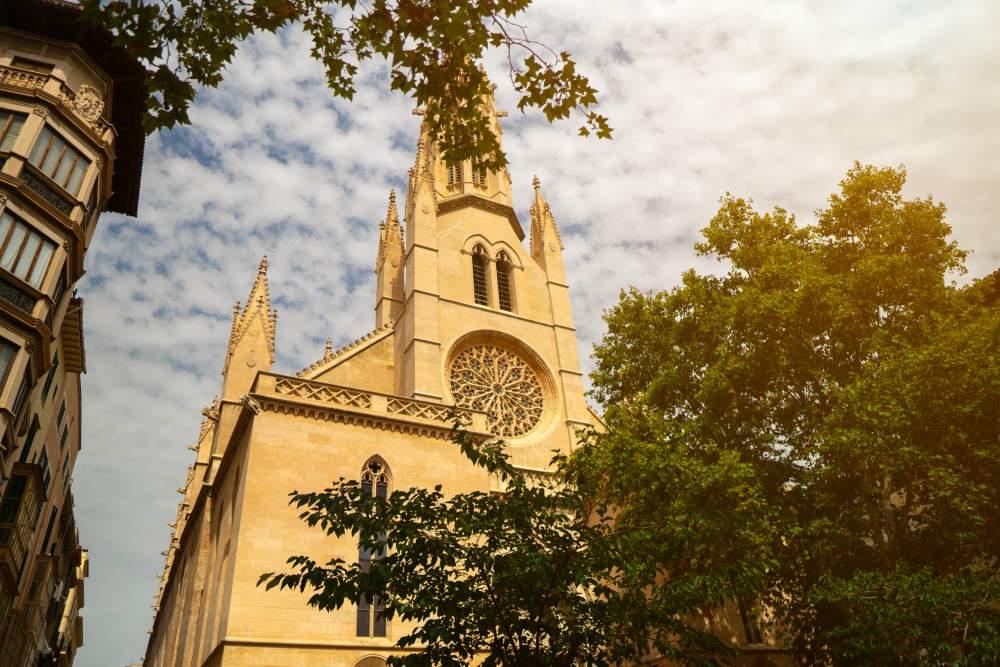
Santa Eulalia stands as a cornerstone of Palma's historical landscape, drawing thousands of tourists annually to its Gothic architectural marvel in the heart of Mallorca's old town. This 13th-century church represents more than just a religious site - it's a window into the island's complex cultural heritage. Tourists often flock to the church to examine its intricate stone facade and medieval architectural details, which showcase remarkable craftsmanship from the medieval period. Located in the compact city center, Santa Eulalia attracts history buffs, architecture enthusiasts, and cultural travelers seeking an authentic glimpse into Mallorca's rich past. Photography enthusiasts find the church's exterior particularly compelling, with its detailed Gothic stonework and historical symmetry providing excellent background for cultural snapshots. The church sits within walking distance of other key historical sites, making it a strategic stop for travelers exploring Palma's historic district. While not as grand as some European cathedrals, Santa Eulalia offers a genuine, unfiltered experience of local Mallorcan architectural and religious traditions.
Top things to do at Santa Eulalia
- Explore the intricate Gothic architectural details, focusing on the stone carvings around the main entrance and side chapels
- Examine the historical religious artwork, including medieval sculptures and 14th-century altar pieces located inside the church
- Attend a traditional Catholic mass to experience the authentic local religious atmosphere and architectural acoustics
- Climb the church tower for panoramic views of Palma's old town and surrounding historic districts
- Visit the church's small museum displaying historical religious artifacts, vestments, and sacred objects from Mallorca's religious history
- Photograph the church's exterior, capturing its remarkable Gothic architectural elements and stone facade details
History of Santa Eulalia
- 1229: Conquered by King James I of Aragon during the Christian reconquest of Mallorca
- 1320: Initial construction of the church begins in Gothic architectural style
- 1410: Major renovations and expansion of the original church structure
- 1551: Declared a parish church, becoming a central religious institution in Palma
- 1691: Significant architectural modifications completed during Baroque period
- 1936: Survived Spanish Civil War with minimal damage to its structure
- 1984: Officially recognized as a Cultural Heritage Site by Spanish government
Cultural Significance
Santa Eulalia represents a critical landmark in Mallorca's religious and architectural heritage. The church symbolizes the island's transition from medieval Islamic rule to Christian governance, embodying centuries of cultural transformation. Its Gothic architecture serves as a testament to the artistic and spiritual traditions of medieval Mallorca, attracting historians, architects, and cultural enthusiasts from around the world.
Tips for Visitors
- Wear modest clothing when entering the church, covering shoulders and knees
- Photography is permitted but avoid using flash inside the church
- Consider hiring a local guide to understand the intricate historical details
- Allocate at least 1-2 hours for a comprehensive visit and exploration
- Check local event schedules for potential religious ceremonies
- Bring water and comfortable walking shoes, as the area involves uneven historic streets
What are some interesting facts about Santa Eulalia?
- The church is named after Santa Eulalia, a young Christian martyr from Barcelona who was tortured during Roman times for refusing to renounce her faith
- Hidden within the church's walls are several medieval stone carvings that depict local legends and biblical stories, many of which are not immediately visible to casual visitors
- During the Spanish Civil War, the church survived potential destruction and was used as a temporary shelter for local residents, preserving both its architectural and community significance