
Discover Miró's Creative Legacy in Palma de Mallorca
July 11, 2025

I spent nearly three hours exploring Miró's studios, feeling like I was walking through the artist's personal creative universe. The guided tour was incredibly intimate, revealing details about Miró's work that you'd never find in a typical museum experience.
Step inside the actual workspace where Joan Miró transformed modern art, with studios frozen in time exactly as the artist left them. Discover the hidden world of a creative genius where every paintbrush and unfinished canvas tells a story of artistic revolution.
Need-to-Know Info Before Visiting Pilar and Joan Miro Foundation in Mallorca
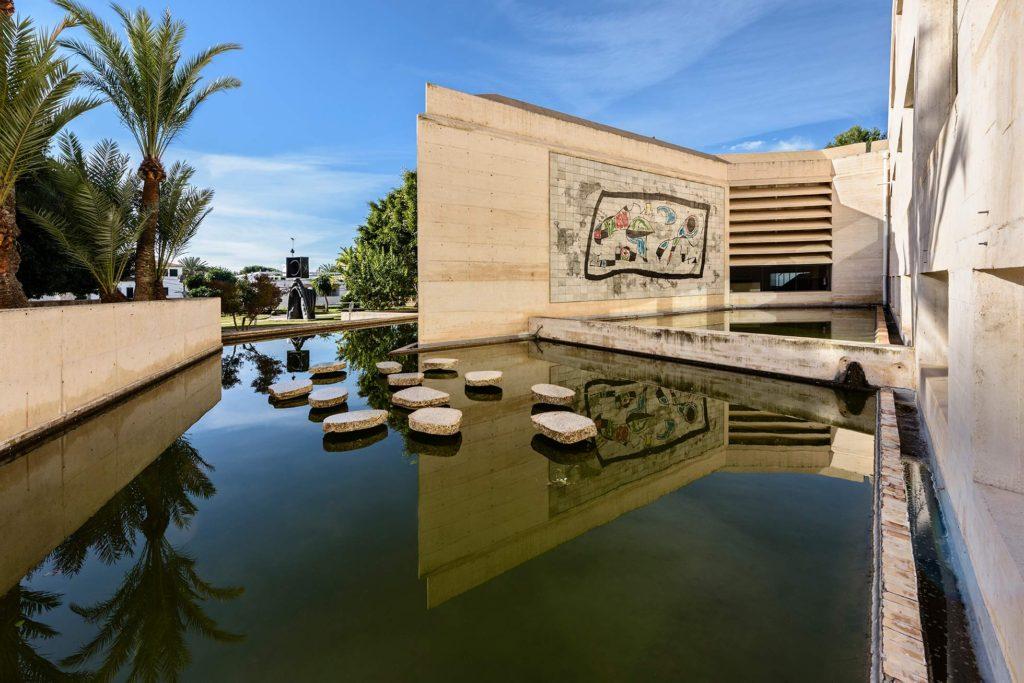
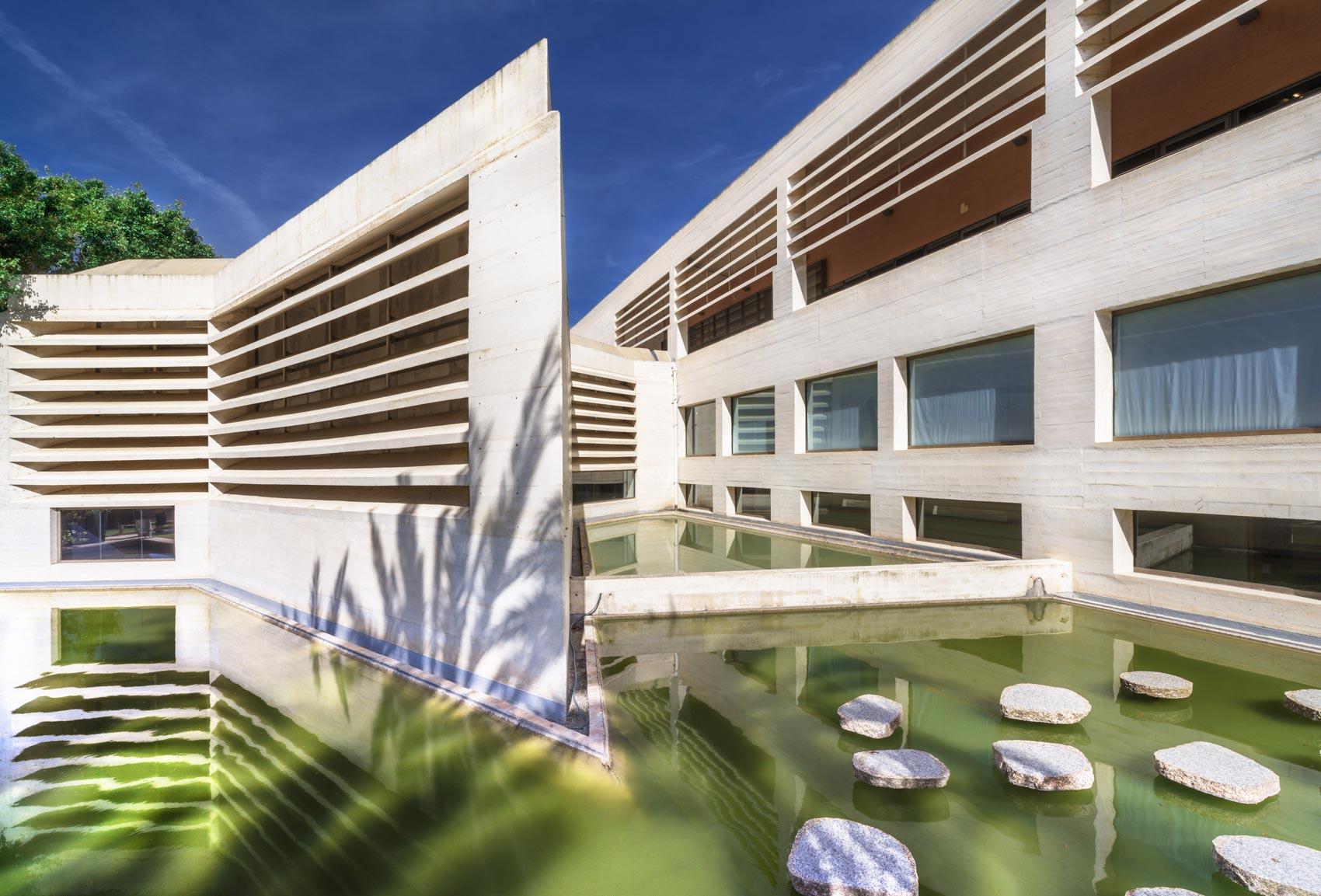
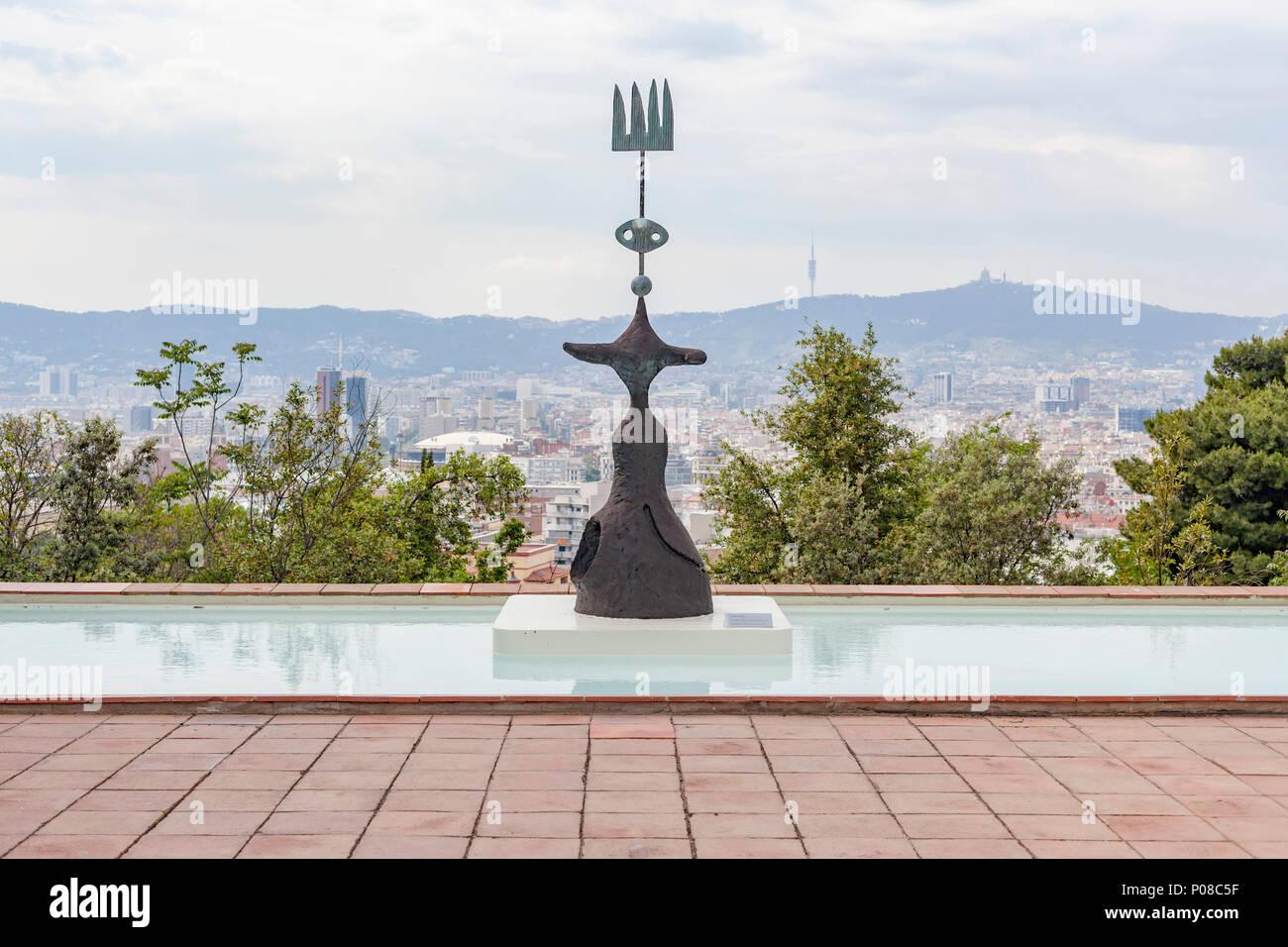
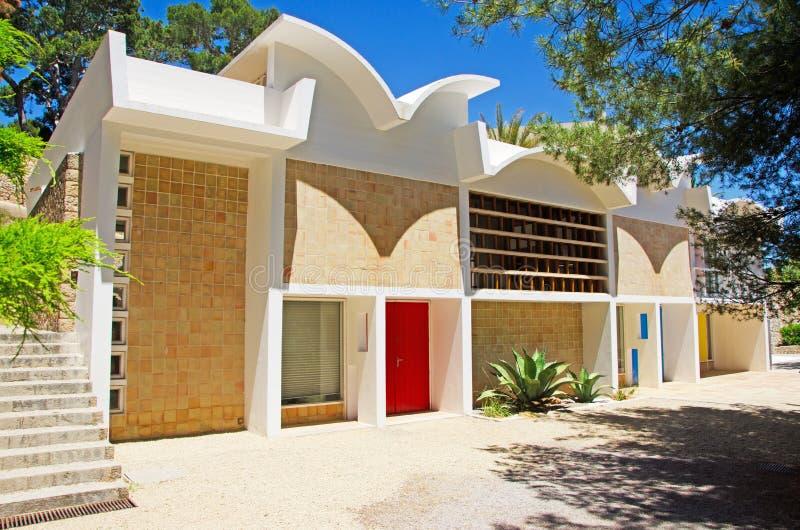
5+
images
Pilar and Joan Miro Foundation in Mallorca Address
Carrer de Saridakis 29, 07013 Palma, Mallorca, Spain
Pilar and Joan Miro Foundation in Mallorca Opening Hours
- 🕒 Tuesday-Sunday: 10:00 AM - 6:00 PM
- 🕒 Closed on Mondays
- 🕒 Seasonal hours may vary - check website before visiting
How to get to Pilar and Joan Miro Foundation in Mallorca
- 🚗 By car: Parking available near museum, easy city center access
- 🚌 Public transport: Bus lines 3, 6, and 19 stop nearby
- 🚕 Rideshare: Uber and local taxi services available
What is Pilar and Joan Miro Foundation in Mallorca known for?
- Museum located in artist Joan Miró's original working studios
- Houses over 6,000 artworks created by Miró between 1950-1980
- Permanent and rotating contemporary art exhibitions
- Showcases original sculptures, paintings, and graphic works
- Offers insight into Miró's creative process and artistic evolution
What is Pilar and Joan Miro Foundation in Mallorca in Palma de Mallorca?
Tucked away in the heart of Palma, the Pilar and Joan Miro Foundation transforms the artist's original workspace into a magnetic destination for art enthusiasts and travelers. This isn't just another museum - it's a living archive of Joan Miró's creative universe, where visitors can walk through the actual studios where the legendary Spanish artist crafted his groundbreaking works between the 1950s and 1980s. The museum attracts around 100,000 visitors annually, drawing art lovers from across Europe and international tourists seeking an authentic glimpse into Miró's artistic process. Spread across multiple buildings, the foundation includes Miró's original studios, preserved exactly as he left them, complete with paintbrushes, unfinished canvases, and personal artifacts that tell the story of his artistic journey. Large windows flood the spaces with Mediterranean light, creating the same inspiring environment Miró himself worked in, while contemporary exhibition spaces showcase rotating collections that connect his legacy with current artistic movements. The site offers an intimate look into one of Spain's most influential 20th-century artists, making it a key stop for anyone interested in understanding the roots of modern Spanish art.
Top things to do at Pilar and Joan Miro Foundation in Mallorca
- Explore Miró's Original Studios: Walk through the preserved workspaces where Joan Miró created masterpieces, seeing his actual tools, paintbrushes, and half-finished canvases exactly as he left them
- View Permanent Collection: Discover over 6,000 artworks including paintings, sculptures, and graphic works that showcase Miró's entire artistic evolution from early sketches to complex later compositions
- Check Temporary Contemporary Exhibitions: Experience rotating displays that connect Miró's artistic legacy with current international contemporary art movements
- Take a Guided Studio Tour: Join specialized tours that offer in-depth insights into Miró's creative process, artistic techniques, and personal working methods
- Visit the Foundation's Library: Research Miró's artistic documentation, rare books, and archival materials about Spanish modern art
- Attend Art Workshops: Participate in seasonal art classes and creative workshops inspired by Miró's experimental approach to painting and sculpture
Tickets and Pricing
Entry to the Pilar and Joan Miro Foundation costs 10 euros for adults, with reduced rates for students and seniors. Online tickets are recommended during peak tourist season to avoid waiting in line. The museum offers free entry on the first Thursday of each month. Guided tour tickets cost an additional 5 euros and include deeper insights into Miró's artistic process.
History of Pilar and Joan Miro Foundation
- 1956: Joan Miró purchases the original studio and land in Palma de Mallorca
- 1962: First studio constructed by architect Josep Lluís Sert, designed specifically for Miró's artistic needs
- 1975: Miró donates his studios and art collection to create a permanent foundation
- 1992: Official foundation museum opens to the public after Miró's death
- 2010: Major renovation and expansion of exhibition spaces completed
- 2019: Digital archives added to preserve Miró's complete artistic legacy
Tips for Visitors
- Plan at least 2-3 hours for a comprehensive museum visit
- Photography is allowed in most areas, but flash is prohibited
- Audio guides available in 5 languages - recommended for deeper understanding
- Wear comfortable walking shoes as museum involves multiple studio spaces
- Bring a light jacket - studios can be cool and climate-controlled
- Museum gift shop offers high-quality art prints and souvenirs
Cultural Significance
The Pilar and Joan Miro Foundation represents more than a museum - it's a testament to Mallorca's commitment to preserving artistic heritage. Miró considered this location his spiritual home, where he could create freely away from commercial art world pressures. The foundation now serves as a critical research center for understanding 20th-century Spanish modern art, attracting scholars and art enthusiasts worldwide.
What are some interesting facts about Pilar and Joan Miro Foundation in Mallorca?
- Joan Miró personally selected every single window placement and studio angle to capture the perfect Mediterranean light for his artwork
- The foundation contains a secret room with over 300 unfinished sketches that Miró never intended to display publicly
- Miró's original paintbrushes are preserved in their exact positions, with some dating back to the 1940s and showing actual paint residue from his final works