
Discover the Bartolomé March Foundation: A Cultural Gem in Palma's Old Town
July 01, 2025

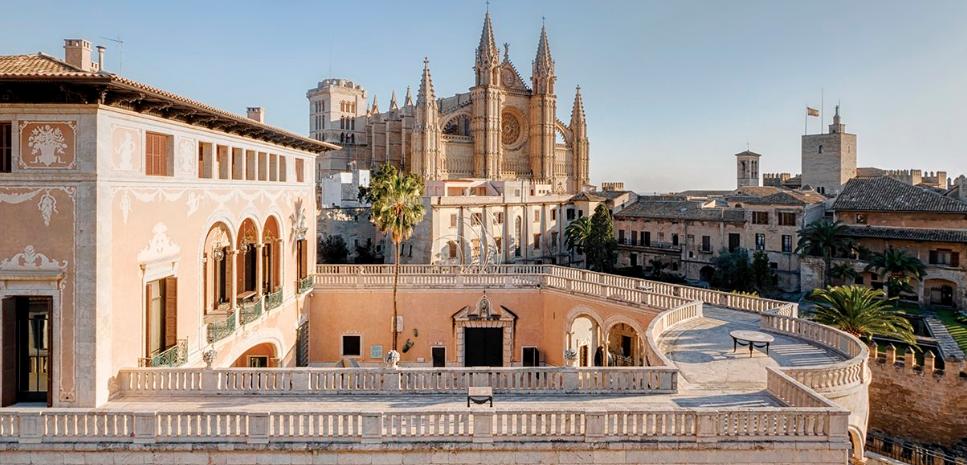
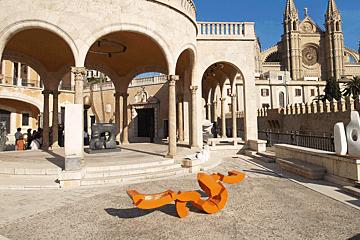
The Fundacion Bartolome March Servera offered an unexpected journey through art and history, with its incredible 18th-century Neapolitan nativity scene and outdoor sculptures by Rodin and Chillida being absolute highlights. Located in the heart of Palma's old town, just a short walk from the Cathedral of Santa Maria, the museum provides a rich, intimate experience that feels like stepping into a private art collection.
Where 1,000 hand-crafted nativity figures meet sculptures by Rodin and Dalí, the Fundacion Bartolome March Servera is no ordinary museum. Discover a hidden artistic treasure chest tucked inside a wealthy family's former palace in Palma de Mallorca.
Need-to-Know Info Before Visiting Fundacion Bartolome March Servera
5+
images
Fundacion Bartolome March Servera Address
Carrer de la Conquesta, 10, 07001 Palma, Illes Balears, Spain
Fundacion Bartolome March Servera Opening Hours
- 🕒 Monday-Friday: 10:00 AM - 6:30 PM
- 🕒 Saturday: 10:00 AM - 2:00 PM
- 🕒 Sunday: Closed
How to get to Fundacion Bartolome March Servera
- 🚗 By car: Parking available near Palau March in city center
- 🚌 Public transport: Bus lines 1, 3, and 5 stop nearby
- 🚕 Rideshare: Uber and local taxi services readily available
What is Fundacion Bartolome March Servera known for?
- Home to extensive art collection featuring works by Salvador Dalí, Henry Moore, and Auguste Rodin
- Houses a remarkable 18th-century Neapolitan nativity scene with over 1,000 detailed figures
- Displays rare medieval and early modern Mediterranean cartographic collections
- Showcases 40 historic religious sculptures in polychromed wood
- Located in the stunning Palau March palace in Palma's historic old town
What is Fundacion Bartolome March Servera in Palma de Mallorca?
Tucked away in Palma's historic old town, the Fundacion Bartolome March Servera transforms the former March family palace into a treasure trove of artistic wonders. This museum draws art lovers and history buffs with its eclectic collection that spans contemporary sculpture, religious art, and rare historical documents. Travelers can explore outdoor terraces featuring sculptures by world-renowned artists like Henry Moore and Auguste Rodin, while indoor spaces showcase over 20 Salvador Dalí paintings and an extraordinary 18th-century Neapolitan nativity scene with more than 1,000 intricate figures. The museum's unique draw is its mix of artistic mediums - from modern sculptures and paintings to medieval nautical maps and polychromed wooden religious statues. International tourists and local art enthusiasts frequently stop by this compact but rich cultural center, making it a go-to spot for those wanting to understand Mallorca's artistic heritage beyond typical beach tourism. The museum's compact size means visitors can thoroughly explore its collections in about 90 minutes, making it an ideal stop for travelers with limited time in Palma.
Top things to do at Fundacion Bartolome March Servera
- Explore the outdoor terrace and admire sculptures by Eduardo Chillida, Henry Moore, and Auguste Rodin in their original setting
- Study the extraordinary 18th-century Neapolitan nativity scene with over 1,000 meticulously crafted figures depicting angels, kings, shepherds, and farm animals
- View the 20 Salvador Dalí paintings focused on themes of 'Alchemy and Eternity' in the museum's interior galleries
- Examine the unique collection of 15th-17th century Mediterranean nautical maps created by Mallorcan cartographers
- Discover the 40 historic religious sculptures in polychromed wood, showcasing traditional Spanish artistic craftsmanship
- Visit the Book Room to see rare manuscripts, incunabula, and codices from different historical periods
Tickets and Pricing
Entry to the Fundacion Bartolome March Servera is typically free, making it an accessible cultural attraction for travelers. However, guided tours or special exhibitions might have separate ticket prices. Visitors should check the museum's official website or contact them directly for the most up-to-date pricing information. Group discounts may be available for larger parties, and students or seniors might qualify for reduced rates.
Cultural Significance
The Fundacion Bartolome March Servera represents more than just a museum - it's a testament to Mallorca's rich artistic heritage and the March family's significant cultural contribution. Located in the historic Palau March palace, the foundation preserves and showcases important works by Spanish and international artists, bridging local history with global artistic movements. The museum's collection highlights Mallorca's role in Mediterranean cultural and artistic exchanges, particularly through its unique displays of nautical maps and contemporary sculptures.
History of Fundacion Bartolome March Servera
- 1917: Juan March, the wealthy businessman and patriarch, is born
- 1940s-1950s: March begins collecting significant art pieces and rare manuscripts
- 1975: The March family establishes the Bartolomé March Foundation
- 1980s: Palau March palace is converted into a museum and cultural center
- 1990s: Significant expansion of art collection, including works by Salvador Dalí and contemporary sculptors
- 2000 onwards: Museum becomes a key cultural institution in Palma de Mallorca, showcasing diverse artistic collections
Tips for Visitors
- Allocate about 90 minutes for a thorough museum visit
- Photography is typically allowed, but check current museum rules
- Wear comfortable walking shoes for exploring multiple gallery spaces
- Consider joining a guided tour to understand the deeper context of the artworks
- The museum is wheelchair accessible with smooth pathways
- Bring a light jacket as indoor temperatures can be cool
- Check the museum's website for temporary exhibitions before visiting
What are some interesting facts about Fundacion Bartolome March Servera?
- The museum's Neapolitan nativity scene contains over 1,000 handcrafted figures, each with unique details - making it one of the most intricate historical dioramas in Spain
- Juan March, the wealthy patriarch whose family owned the palace, was known as the 'banker of the Spanish Civil War' and had significant political influence across Spain
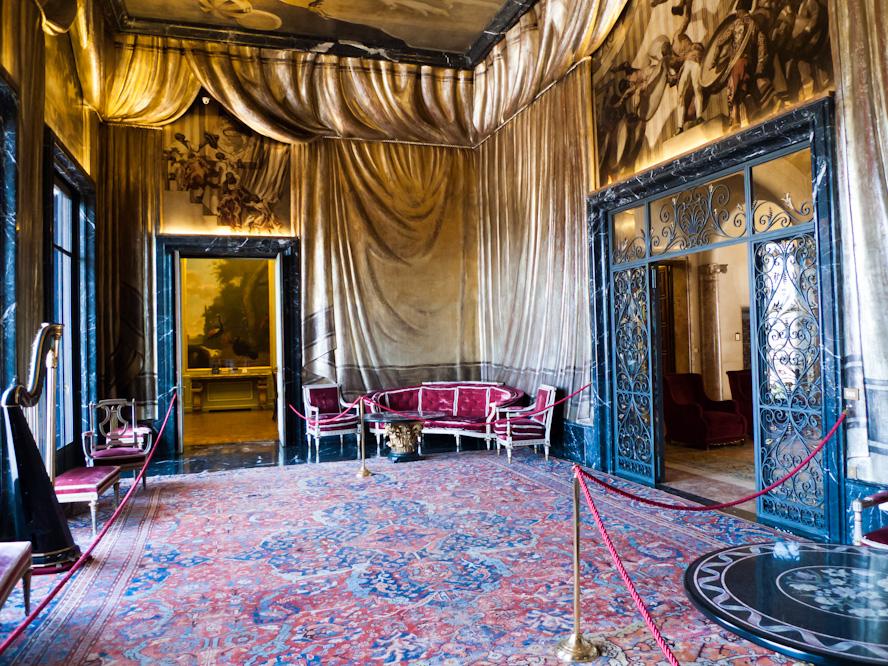
- The music room ceiling painted by Josep Maria Sert is a symbolic masterpiece, with four sections representing audacity, reason, inspiration, and the embodiment of these virtues through his patron Juan March