
Fort San Carlos: Mallorca's Military Heritage Unveiled
June 12, 2025

I spent about two hours exploring the military museum, fascinated by the detailed battle dioramas and extensive weapon collections. The fort's strategic location near Palma's waterfront and the English audio guides made the historical context easy to understand.
Nestled where an ancient lighthouse once stood, Fort San Carlos reveals Mallorca's hidden military storytelling through its unexpected treasure trove of artifacts. Discover how this compact fortress captures centuries of strategic defense in just a few carefully curated exhibition rooms.
Need-to-Know Info Before Visiting Fort San Carlos
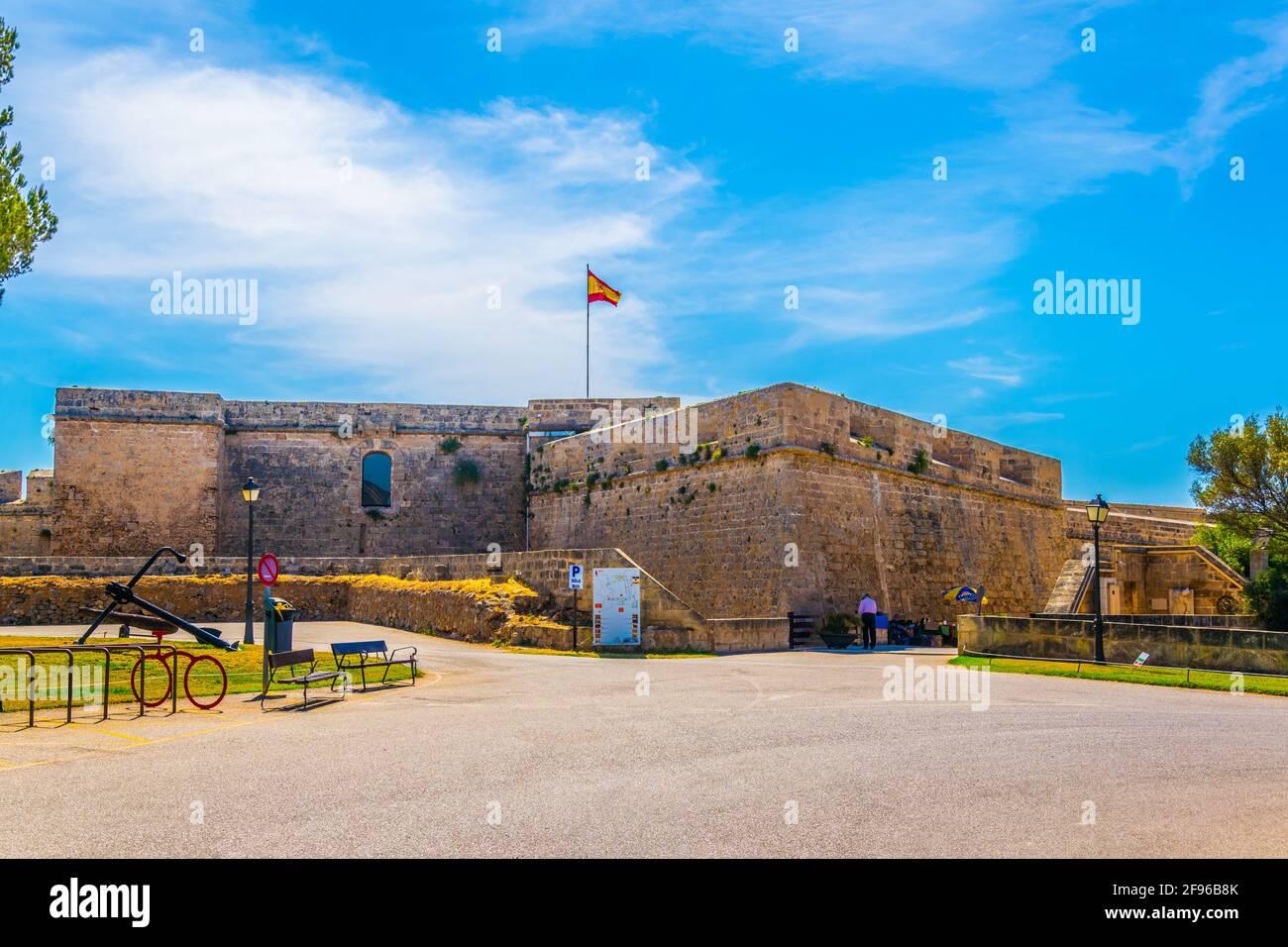
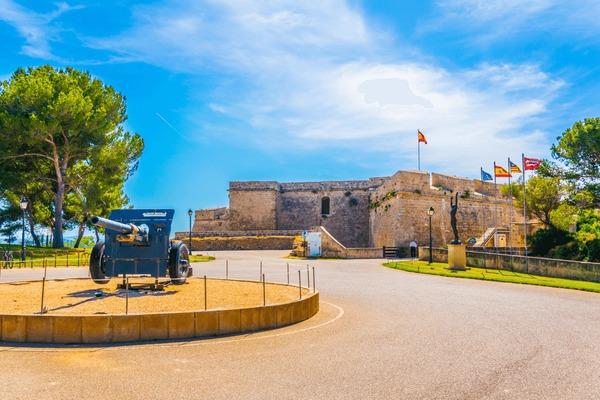
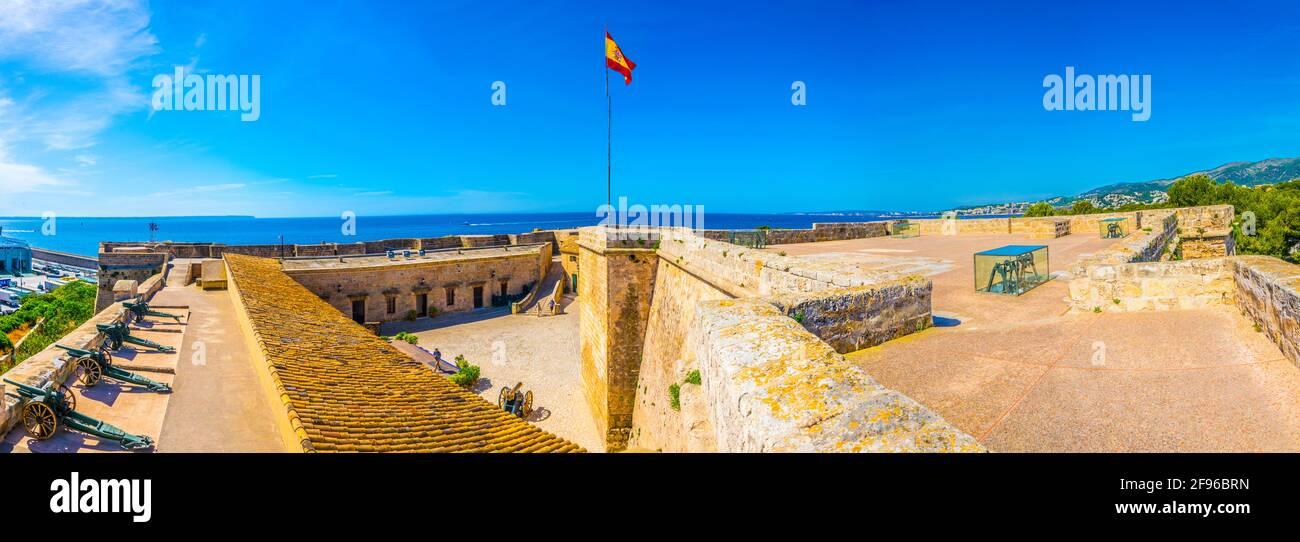
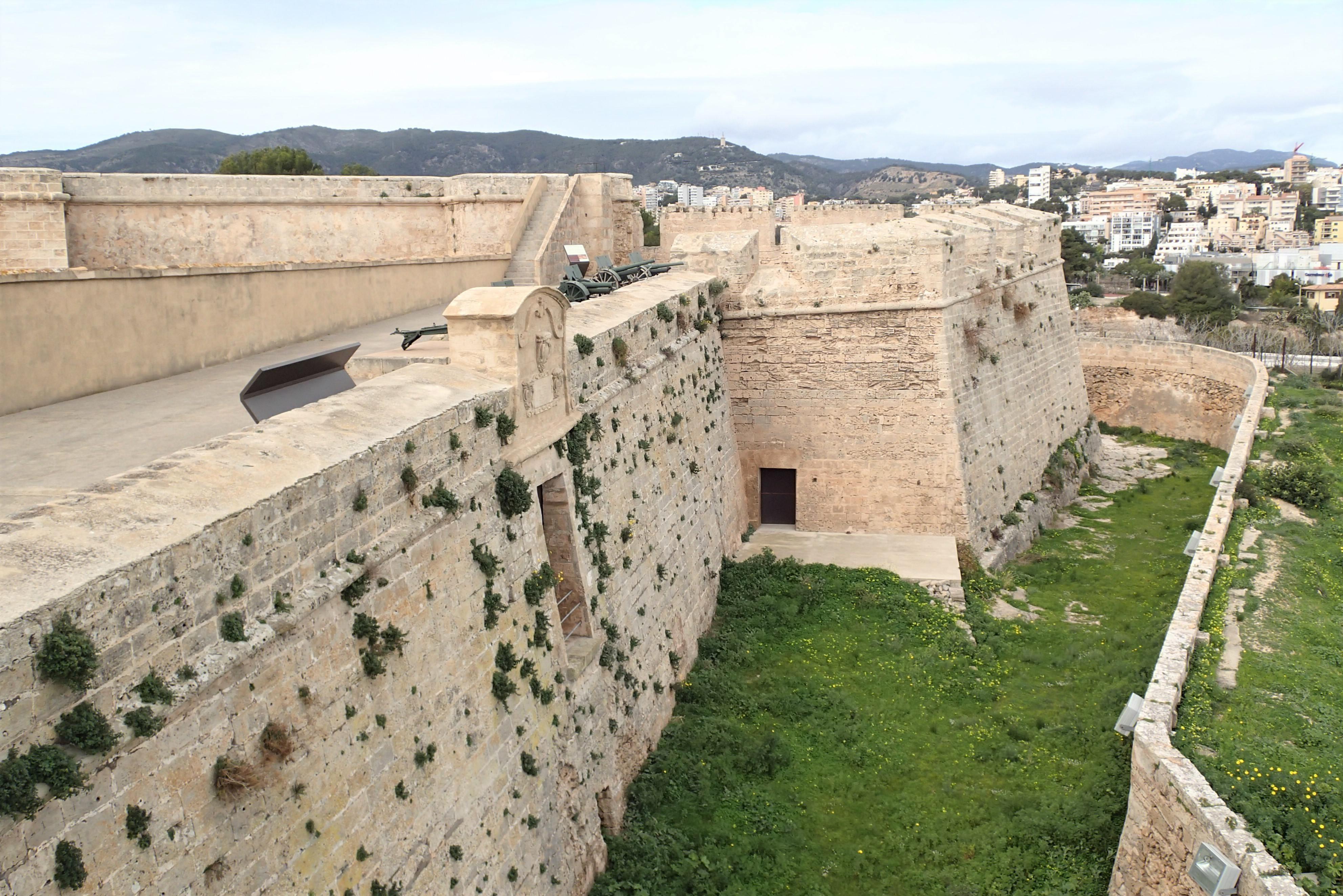
5+
images
Fort San Carlos Address
Carrer de Sant Carles, s/n, 07007 Palma, Illes Balears, Spain
Fort San Carlos Opening Hours
- 🕒 Tuesday-Saturday: 10:00 AM - 2:00 PM
- 🕒 Closed on Sundays and Mondays
- 🕒 Holiday closures may apply - check official website
How to get to Fort San Carlos
- 🚗 By car: Parking available near the fortress
- 🚌 Public transport: Bus lines 3, 20 stop nearby
- 🚕 Rideshare: Uber and local taxi services accessible
What is Fort San Carlos known for?
- Historic military fortification dating back to 1610-1612
- Houses the Museu Històric Militar with extensive military artifacts
- Contains collections of weaponry, uniforms, and medieval Mallorcan maps
- Strategic defensive structure protecting Palma's seaward approach
- Served historically as both military barracks and prison
What is Fort San Carlos in Palma de Mallorca?
Fort San Carlos stands as a key military landmark in Palma de Mallorca, tucked away near the city's historic waterfront. Dating back to the early 17th century, this fortress transforms military history into an accessible story for travelers interested in Spanish defensive architecture. Tourists can walk through spaces that once served as critical military infrastructure, now converted into the Museu Històric Militar. The fort attracts history buffs and casual travelers seeking to understand Mallorca's strategic maritime defense systems. Visitors will find themselves exploring compact military exhibition spaces filled with authentic weaponry, detailed battle dioramas, and historical maps that chronicle Mallorca's complex military past. Unlike massive castle complexes, Fort San Carlos offers an intimate glimpse into military life, with compact exhibitions that pack significant historical context into a relatively small space. The museum provides English translations, making it accessible to international visitors curious about the island's military heritage. Local school groups and military history enthusiasts frequently visit, creating a steady stream of visitors throughout the year who want to understand how this small fortress played a significant role in protecting Palma's coastal approaches.
Top things to do at Fort San Carlos
- Explore the extensive military artifacts collection, including historic weapons from different eras of Mallorcan military history
- View detailed battle dioramas that recreate significant military encounters in Mallorca's past
- Study the collection of medieval and historical maps showcasing Palma's strategic maritime defense systems
- Check out the uniform displays tracing the evolution of military dress from the 17th to 20th centuries
- Examine authentic military flags and heraldic displays that highlight the region's military heritage
- Take guided tours available in multiple languages to gain deeper insights into the fort's historical significance
- Visit the temporary exhibition spaces that often feature rotating displays about local military history
- Photograph the fort's original architectural features, including historic stone walls and defensive structures
Tickets and Admission
Entry to Fort San Carlos is budget-friendly for travelers. Adult tickets cost around 5 euros, with reduced rates for students and seniors. Children under 12 enter free. Tickets can be purchased online through the museum's official website or directly at the entrance. No advanced booking is typically required, but group tours might benefit from pre-registration. The museum offers combined tickets with other Palma historical sites, which can save money for visitors exploring multiple attractions.
History of Fort San Carlos
- 1610-1612: Initial construction of the fort on an old lighthouse site
- Early 17th Century: Expanded to protect Palma's seaward approach
- Mid-17th Century: Converted to serve as military barracks
- Late 17th Century: Additional defensive structures added
- 19th Century: Used as a strategic military prison
- Late 20th Century: Transformed into the Museu Històric Militar
- 2000s: Comprehensive restoration and modernization of museum displays
Tips for Visitors
- Allow 1-2 hours for a comprehensive museum visit
- Free guided tours are available in Spanish and English on weekends
- Photography is permitted in most exhibition areas
- Wear comfortable walking shoes for exploring multiple exhibition rooms
- Bring a light jacket as indoor temperatures can be cool
- Accessibility ramps available for visitors with mobility challenges
- Small gift shop offers military history books and local souvenirs
- Nearby cafes provide lunch options after museum visit
What are some interesting facts about Fort San Carlos?
- The fort was strategically built on an old lighthouse location, serving multiple military functions beyond just defense
- Local legend suggests secret underground tunnels exist beneath the fort, connecting it to other coastal defense points in Palma
- During its time as a military prison, the fort held political prisoners during different Spanish regime changes, making it more than just a defensive structure