
Convent of Santa Clara: A Hidden Gem in Palma
June 14, 2025

I spent about 45 minutes exploring the Convent of Santa Clara, fascinated by the unique wooden turnstile where nuns sell traditional sweets. The experience felt like stepping back in time, with the opportunity to purchase handmade pastries directly from cloistered nuns through a centuries-old communication method.
Where medieval monasticism meets mouthwatering tradition, the Convent of Santa Clara hides a delicious secret behind its ancient walls. Discover how cloistered nuns communicate and sell sweets through a mysterious wooden turnstile that has remained unchanged for centuries.
Need-to-Know Info Before Visiting Convent of Santa Clara
5+
images
Convent of Santa Clara Address
Carrer de Santa Clara, 2, 07001 Palma, Illes Balears, Spain
Convent of Santa Clara Opening Hours
- 🕒 Church: Limited visiting hours, typically 10 AM - 12 PM
- 🕒 Sweet shop: Monday-Saturday, 10 AM - 1 PM
- 🕒 Closed on Sundays and religious holidays
How to get to Convent of Santa Clara
- 🚗 By car: Parking available in nearby public lots
- 🚌 Public transport: Bus lines 1, 3, and 5 stop nearby
- 🚕 Walking distance from Palma city center
What is Convent of Santa Clara known for?
- Home to the Poor Clares religious order since 1260
- Famous for traditional handmade almond and aniseed sweets sold through a historic wooden turnstile
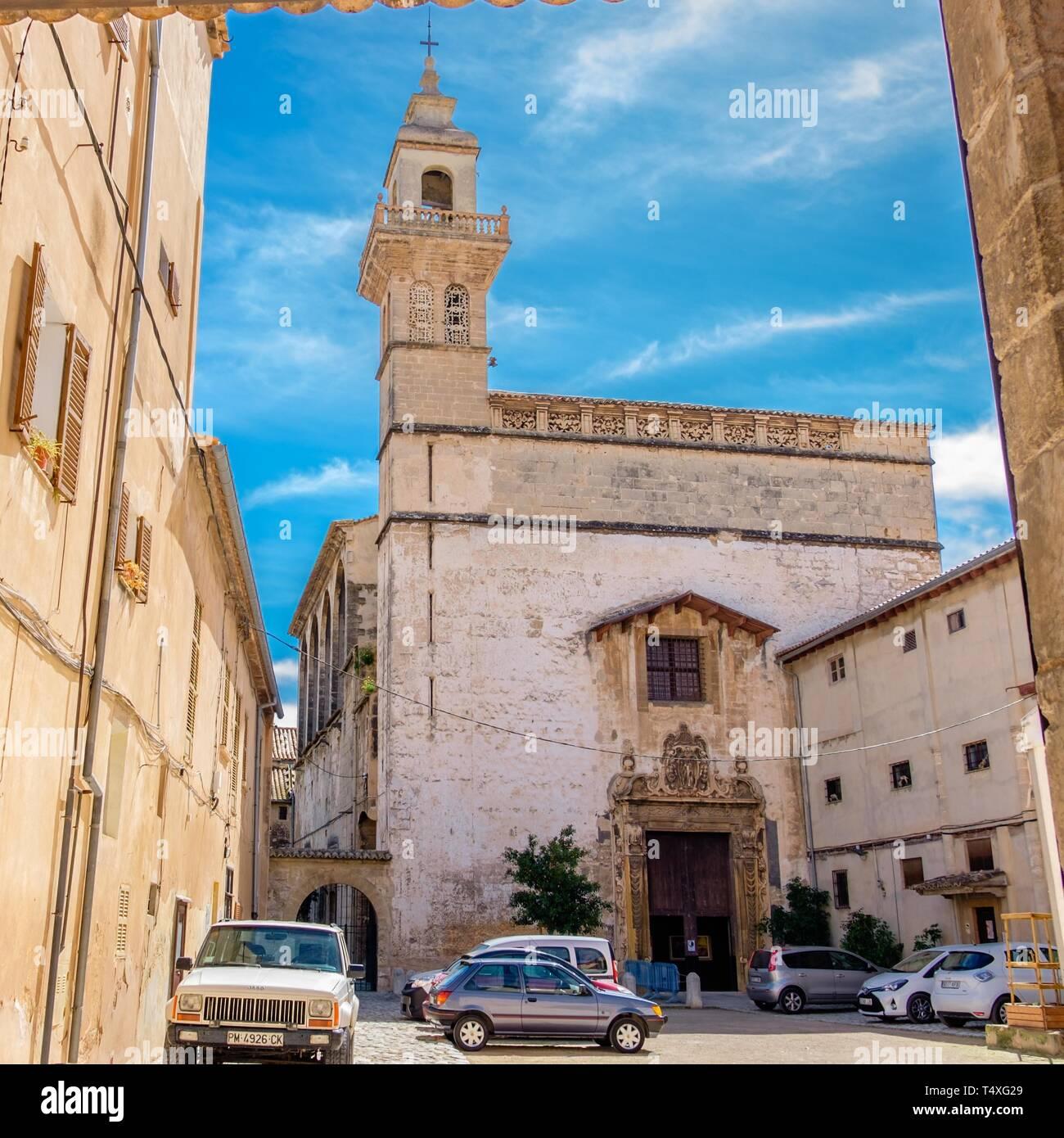
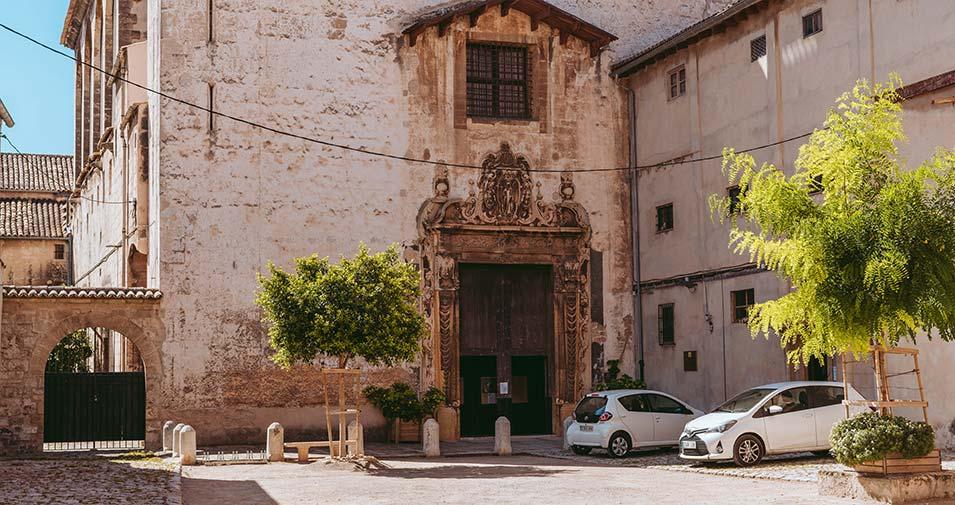
- Architectural blend of Gothic and Baroque styles from 16th and 17th centuries
- Represents one of the oldest religious establishments in Palma post-Reconquista
- Offers unique cultural experience of monastic life in Mallorca
What is Convent of Santa Clara in Palma de Mallorca?
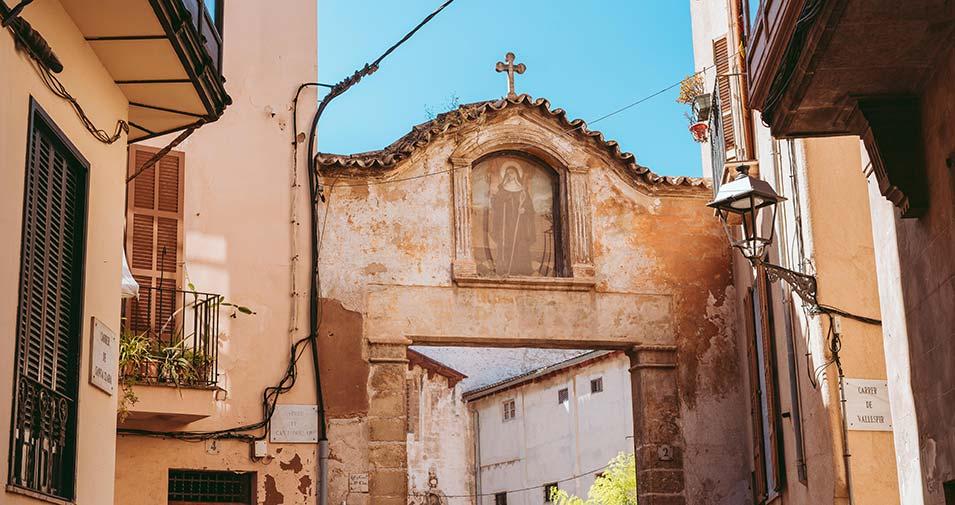
Tucked away in the historic center of Palma, the Convent of Santa Clara stands as a living piece of Mallorcan history that attracts curious travelers and culture seekers. Founded by the Poor Clares religious order after the Reconquista, this landmark represents more than just a historical building - it's an active monastery where a small community of nuns continues centuries-old traditions. The convent's most charming feature is its unique sweet shop, where visitors can purchase traditional almond and aniseed pastries through an old wooden turnstile, a practice that connects modern tourists with medieval monastic customs. Travelers typically spend 30-45 minutes exploring the site, with many drawn by the opportunity to experience a slice of authentic local culture that hasn't changed much since the 13th century. Architecture buffs appreciate the building's mix of Gothic and Baroque styles, which tell a story of Mallorca's architectural evolution through different historical periods. While not a massive tourist attraction, the Convent of Santa Clara offers a quiet, authentic glimpse into the island's religious heritage and traditional way of life, making it a hidden gem for travelers who prefer meaningful cultural experiences over crowded tourist spots.
Top things to do at Convent of Santa Clara
- Order traditional sweets through the historic wooden turnstile, experiencing a centuries-old monastic communication method
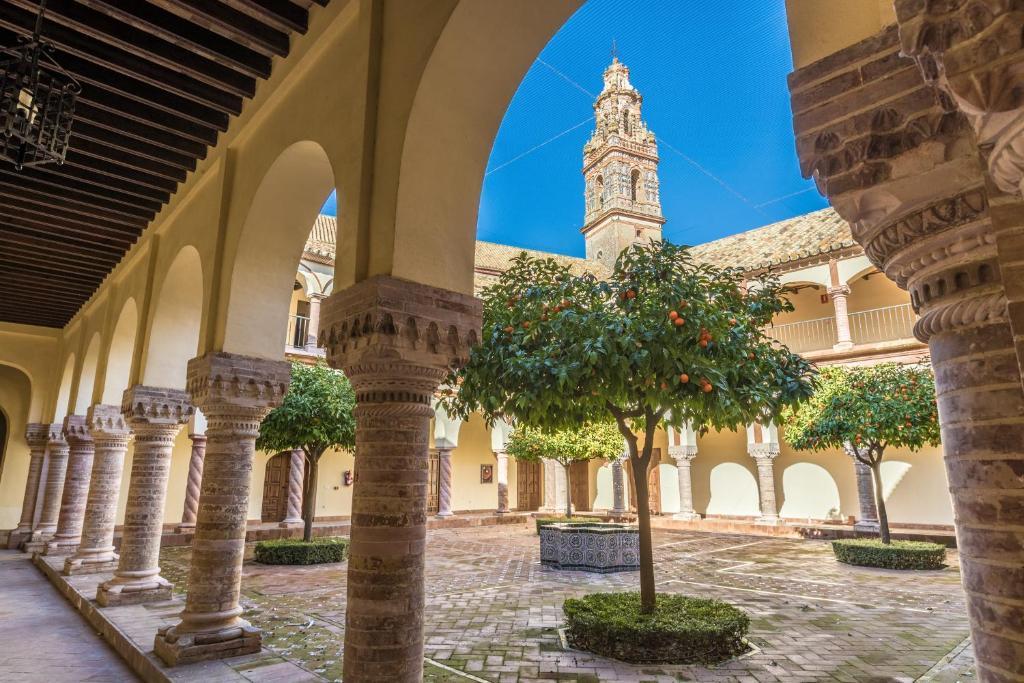
- Explore the restored church's architectural blend of Gothic and Baroque styles from the 16th and 17th centuries
- Learn about the Poor Clares religious order and their historical significance in Palma since the Reconquista
- Photograph the unique torno (rotating wooden window) where nuns sell handmade almond and aniseed pastries
- Purchase authentic monastic treats like bocaditos de almendra (almond nibbles) and rollitos de anís (aniseed rolls)
- Observe the daily life and traditions of the remaining cloistered nuns who continue their centuries-old community practices
History of Convent of Santa Clara
- 1229: Poor Clares religious order establishes presence in Palma after Reconquista
- 1260: Land officially granted to the monastery by local authorities
- 16th-17th Centuries: Current baroque and Gothic architectural structures constructed
- 2007: Extensive restoration of the church completed, preserving historical architecture
- Present Day: Active monastery with a small community of cloistered nuns continuing traditional practices
Cultural Significance
The Convent of Santa Clara represents a living connection to Mallorca's medieval religious heritage. As one of the first religious orders established after the Reconquista, the Poor Clares have maintained continuous monastic traditions for centuries. Their practice of selling handmade sweets through a wooden turnstile is a unique cultural ritual that bridges historical monastic life with contemporary visitor experiences.
Tips for Visitors
- Bring cash for purchasing traditional sweets from the nuns
- Photography may be limited inside the monastery, respect religious spaces
- Visit during morning hours for best access to the sweet shop
- Expect a quiet, contemplative environment
- Learn a few basic Spanish phrases to interact with the nuns
- Allocate 30-45 minutes for a complete visit
What are some interesting facts about Convent of Santa Clara?
- The wooden turnstile (torno) is one of the last remaining functional communication methods used by cloistered nuns in Europe, allowing them to interact with the outside world without direct contact
- The convent's almond and aniseed pastry recipes have been carefully preserved and passed down through generations of Poor Clare nuns since the 13th century
- Despite being located in the heart of Palma, the monastery maintains strict privacy rules, with nuns rarely seen and their daily life largely hidden from public view