
Church of Sant Miquel: A Hidden Gem in Palma de Mallorca
July 06, 2025

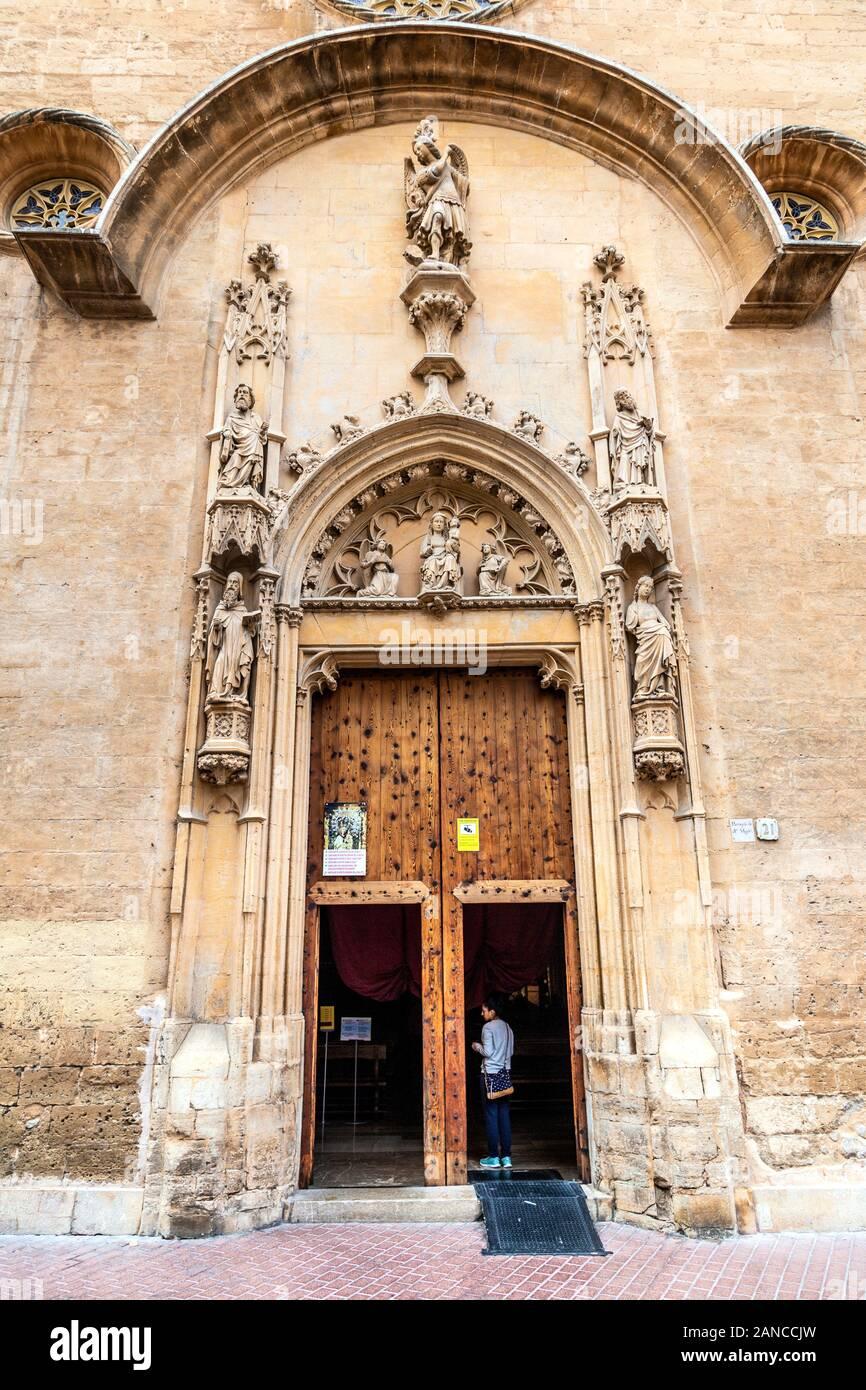
I spent about an hour exploring the Church of Sant Miquel, wandering through its medieval spaces and admiring the intricate Gothic architectural details. The church is conveniently located near Plaça Major and Palma's old town, making it easy to include in a walking tour of the city's historic center.
Hidden in the heart of Palma's old town, Church of Sant Miquel holds centuries of Mallorcan history within its stone walls. Discover the untold stories of medieval Balearic religious life, where every carved archway and ancient sculpture whispers secrets of a forgotten era.
Need-to-Know Info Before Visiting Church of Sant Miquel
5+
images
Church of Sant Miquel Address
Plaça de Sant Miquel, 5, 07002 Palma, Illes Balears, Spain
Church of Sant Miquel Opening Hours
- 🕒 Monday-Friday: 10:00 AM - 6:00 PM
- 🕒 Saturday: 10:00 AM - 2:00 PM
- 🕒 Sunday: Closed
How to get to Church of Sant Miquel
- 🚗 By car: Park in nearby public parking zones in Palma's historic center
- 🚌 Public transport: Bus lines L1, L2, and L3 stop near the church
- 🚕 Rideshare: Uber and local taxi services widely available
What is Church of Sant Miquel known for?
- One of the oldest Catholic churches in Palma's historic Old Town
- Features Gothic architectural elements from 14th-century construction
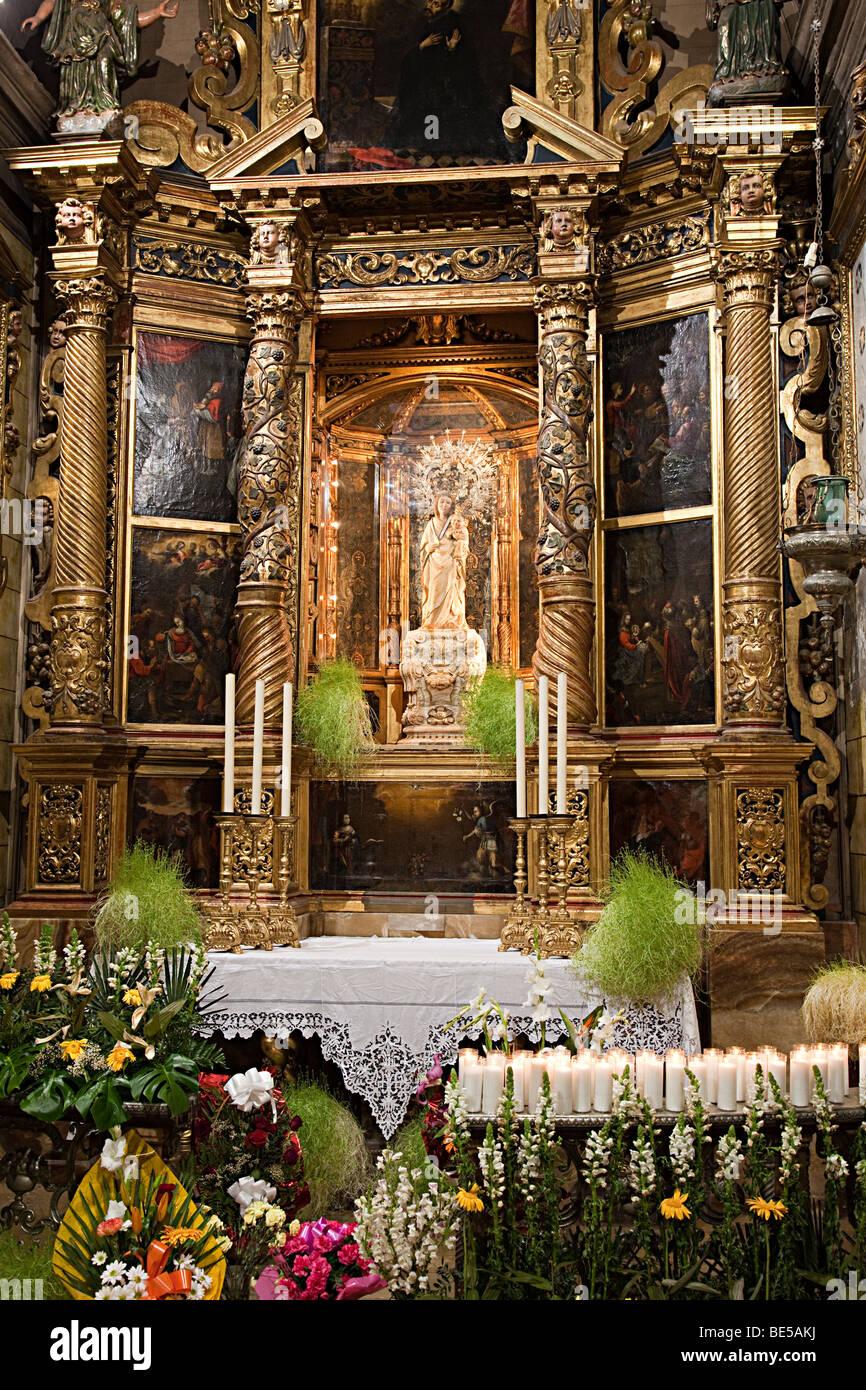
- Contains significant religious artwork from medieval Mallorcan period
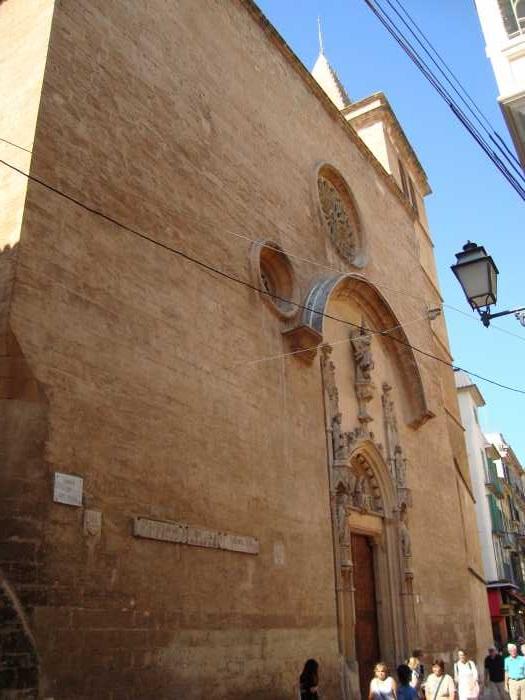
- Located in a charming square surrounded by traditional Spanish architecture
- Represents important cultural heritage of Balearic Islands
What is Church of Sant Miquel in Palma de Mallorca?
Tucked away in the maze-like streets of Palma's Old Town, Church of Sant Miquel stands as a significant historical landmark that draws history buffs and architecture enthusiasts from around the world. Located in a compact urban square, this medieval Catholic church attracts around 50,000 visitors annually, making it a steady spot on Mallorca's cultural tourism map. Its Gothic architectural style, dating back to the 14th century, tells stories of Balearic religious heritage through intricate stone facades and carefully preserved structural elements. Travelers typically spend 30-45 minutes exploring the church, taking photographs of its medieval architectural details and enjoying the surrounding historic neighborhood. While not as massive as some Spanish cathedrals, Sant Miquel offers an intimate glimpse into Mallorca's religious architectural traditions, with stone archways, original wooden elements, and strategic positioning in one of Palma's most walkable districts. Photography enthusiasts appreciate the church's exterior for capturing the intersection of medieval urban design and Spanish architectural craftsmanship, with the surrounding stone buildings creating a picturesque backdrop that transports visitors back in time.
Top things to do at Church of Sant Miquel
- Explore the Gothic architectural details, including original 14th-century stone archways and intricate medieval craftsmanship
- Photograph the church's exterior and surrounding historic stone buildings that capture Mallorcan urban design
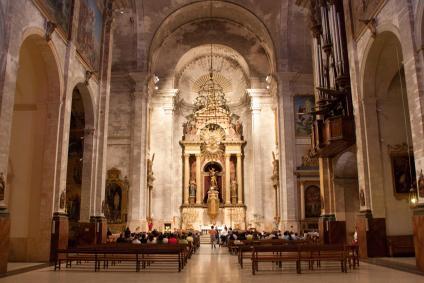
- Examine the religious artwork inside, particularly medieval sculptures and altar pieces from the Balearic religious tradition
- Visit the small side chapels that showcase local religious art and historical artifacts from Palma's Catholic heritage
- Listen to the church bells that ring periodically, offering an authentic acoustic experience of traditional Spanish religious practices
- Check out temporary exhibitions about local religious history often displayed in the church's inner courtyard or entrance hall
Tickets and Entry
Entry to Church of Sant Miquel is typically free for visitors. However, donations are welcome and help maintain the historic building. No advanced booking is required for general visits. Guided tours might have a small fee of 5-8 euros, which can be purchased at the church entrance or through local tourism offices in Palma.
Dress Code for Visitors
As a functioning Catholic church, modest dress is expected. Visitors should wear clothing that covers shoulders and knees. Avoid tank tops, shorts, or revealing clothing. If you arrive in inappropriate attire, the church staff might provide a wrap or ask you to cover up before entering.
History of Church of Sant Miquel
- 1318: Original church construction begins in Gothic architectural style
- 1329: Initial building completed during the reign of King James III of Mallorca
- 1450: Major renovations and architectural expansions undertaken
- 1560: Significant interior remodeling reflects changing religious aesthetics
- 1850: First documented restoration of historical architectural elements
- 1936: Survived Spanish Civil War with minimal structural damage
- 1980: Declared a national historical monument by Spanish government
- 2005: Comprehensive restoration project preserves medieval architectural features
Cultural Significance
Church of Sant Miquel represents more than a religious site-it's a symbol of Mallorca's rich Catholic heritage and medieval architectural tradition. The church stands as a testament to the island's historical connection to religious art and community life. Local residents consider it a crucial landmark that connects present-day Palma with its centuries-old cultural roots.
Tips for Visitors
- Visit during morning hours for best natural lighting and fewer crowds
- Bring a camera, but avoid using flash inside the church
- Allocate about 45-60 minutes for a comprehensive visit
- Check local event calendars for potential religious ceremonies
- Nearby cafés offer perfect spots for post-visit refreshments
- Wear comfortable walking shoes as the church is in a historic, uneven street area
What are some interesting facts about Church of Sant Miquel?
- The church contains a rare medieval baptismal font carved from a single block of Mallorcan sandstone, which local historians believe dates back to the original 14th-century construction
- During the Spanish Civil War, the church secretly protected several important religious artifacts by hiding them in a concealed underground chamber beneath the main altar
- Local legend suggests that one of the church's original stone gargoyles was sculpted to resemble a local medieval stonemason who had a notorious reputation for drinking during work hours